Art Workshops
Camels and Chai art workshops are beginner-friendly, hands-on classes inspired by Islamic art traditions from across the Muslim world. Each session begins with a short, accessible introduction to the history and culture behind the art form, followed by step-by-step guidance to help you create your own finished piece. No art experience is needed , just curiosity and a willingness to try.
Some of the workshops we have hosted include:
Patterns of Paradise: Islamic Geometric Art
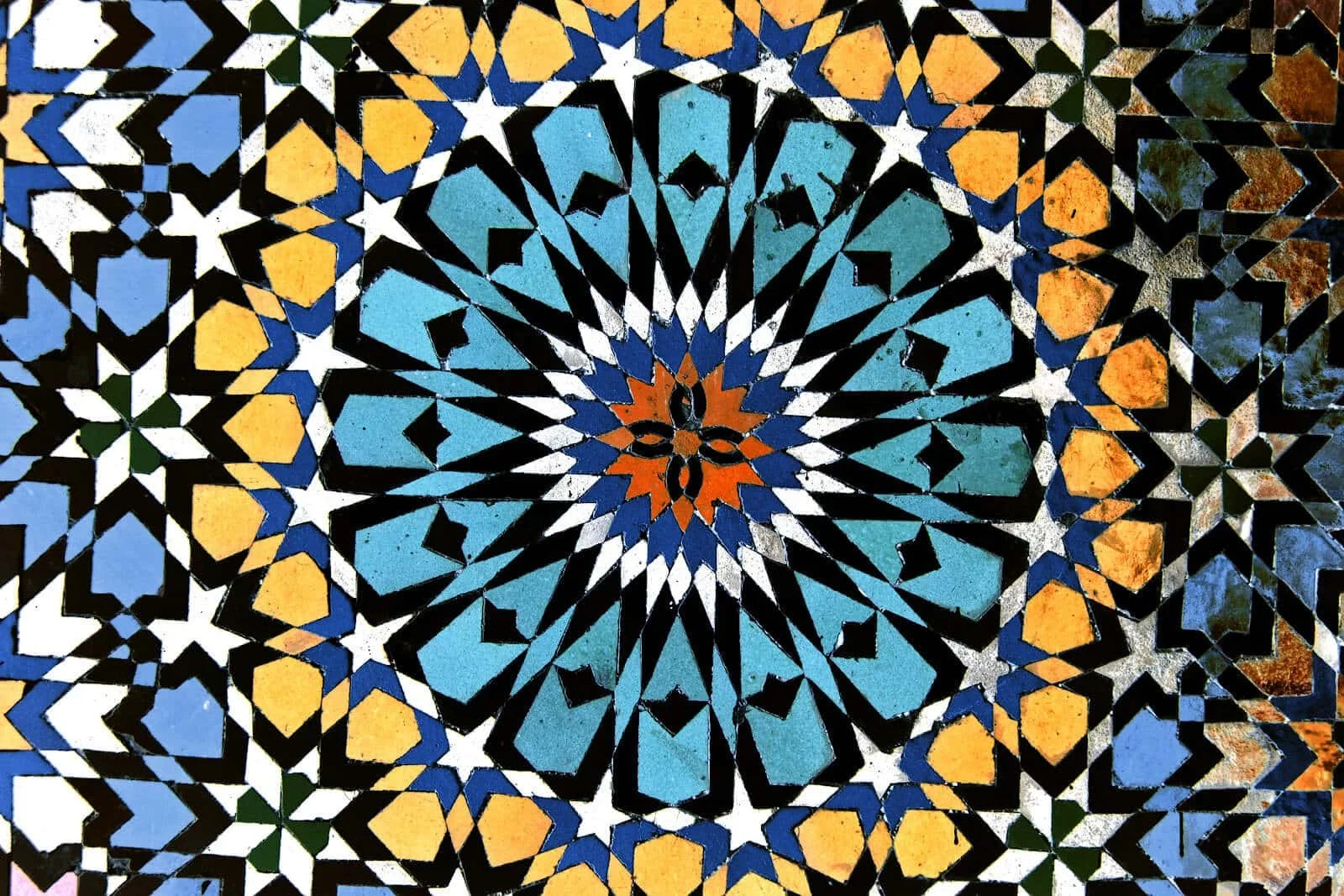
Origin: Morocco, Iran, Turkey
Historical roots: 9th–15th centuries
Islamic geometric patterns are built using simple tools and deep logic: circles, lines, and repeated shapes that grow into stunning designs. In this workshop, you’ll learn how artists traditionally constructed geometry using only a compass and straightedge. You’ll draft a geometric pattern on thick 8.5”×11” card stock, then bring it to life with acrylic paint.
Materials used
Pencils
Rulers & compasses
Thick 8.5”×11” card stock
Acrylic paints
The Dancing Brush: Introduction to Arabesque
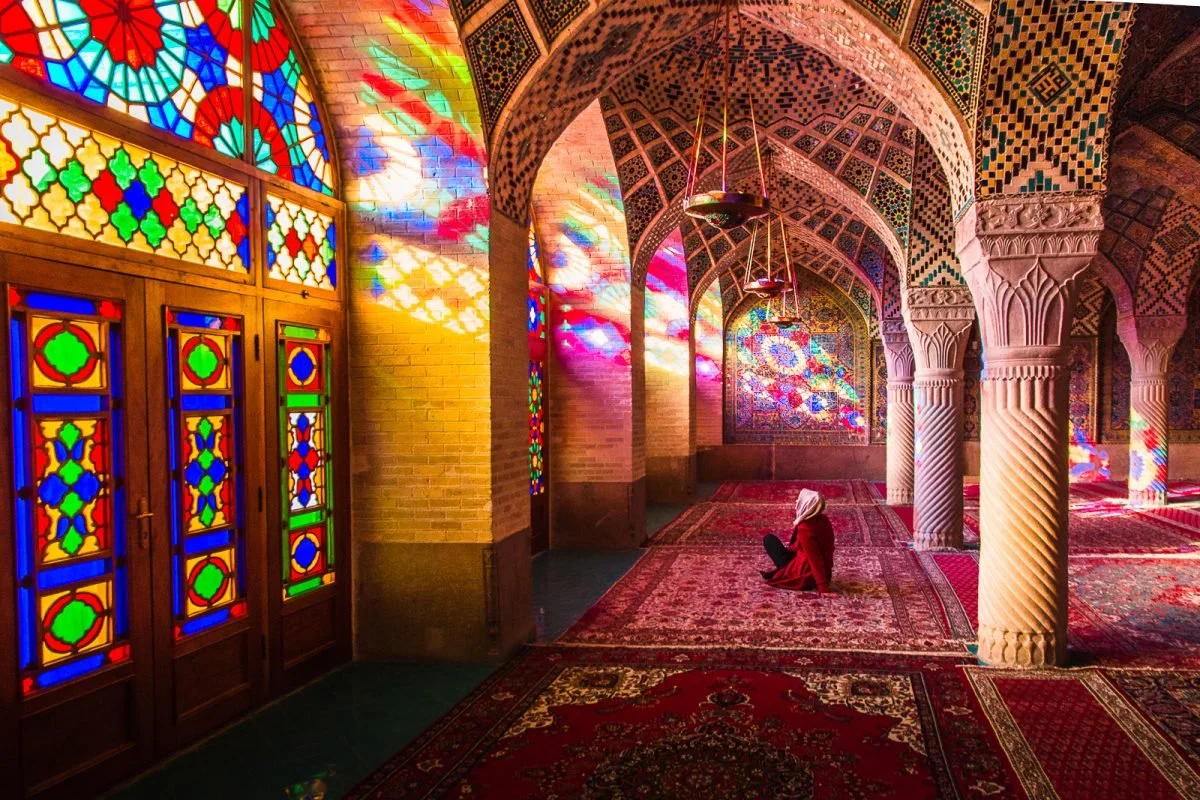
Origin: Across the Muslim world
Historical roots: 10th century onward
Arabesque designs are known for their flowing vines, flowers, and endless movement often seen in rugs, tiles, and manuscripts. You’ll paint a colorful arabesque design inspired by traditional rugs and decorative arts. Using painter’s tape, you’ll create clean borders on an 11”×14” canvas, then layer flowers, vines, and leaves using fine detail brushes and acrylic paint.
Materials used
11”×14” canvas
Painter’s tape
Fine detail brushes
Acrylic paints
Art in Motion: Pakistani Truck Painting

Origin: Pakistan
Historical roots: Mid-20th century folk tradition
Pakistani truck art is bold, joyful, and full of movement combining florals, patterns, poetry, and symbolism. You’ll work on a pre-sketched canvas featuring a rickshaw or truck layout. Step by step, you’ll fill in vibrant patterns using fine detail brushes and bright acrylic colors.
Materials used
Pre-sketched canvas
Fine detail brushes
Acrylic paints
Sacred Margins: an Illuminated Manuscript Page
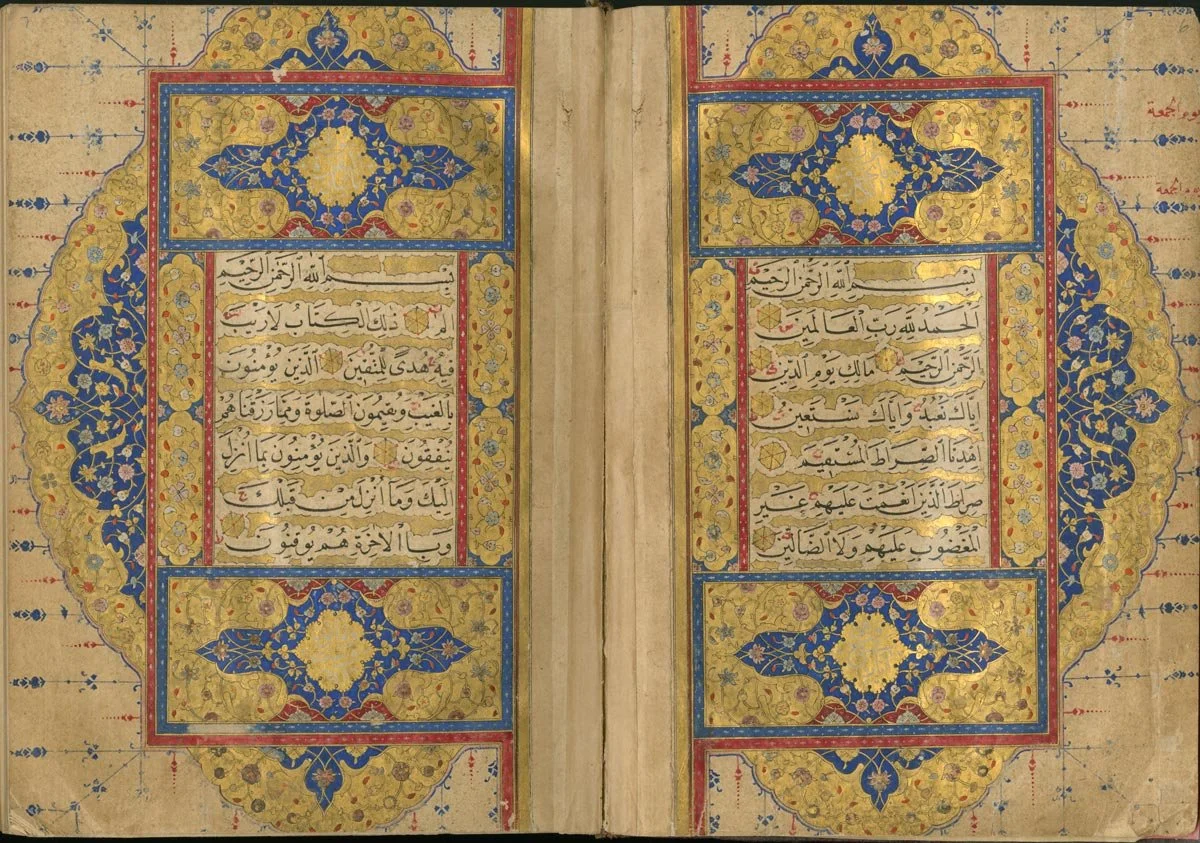
Origin: Persia & Ottoman Empire
Historical roots: 13th–17th centuries
Illuminated manuscripts were carefully decorated pages that framed sacred or meaningful text with beauty and intention. Participants bring a short paragraph of text they love: a quote, poem, or reflection. On thick 8.5”×11” card stock, you’ll draft borders, write your text, and decorate the page using thin markers and paint. Once finished, your work will be placed in a beautiful frame.
Materials used
Thick 8.5”×11” card stock
Pencils & rulers
Fine Sharpies
Acrylic paint
8.5”x11” Frame
Architectural Script: Kufic Calligraphy
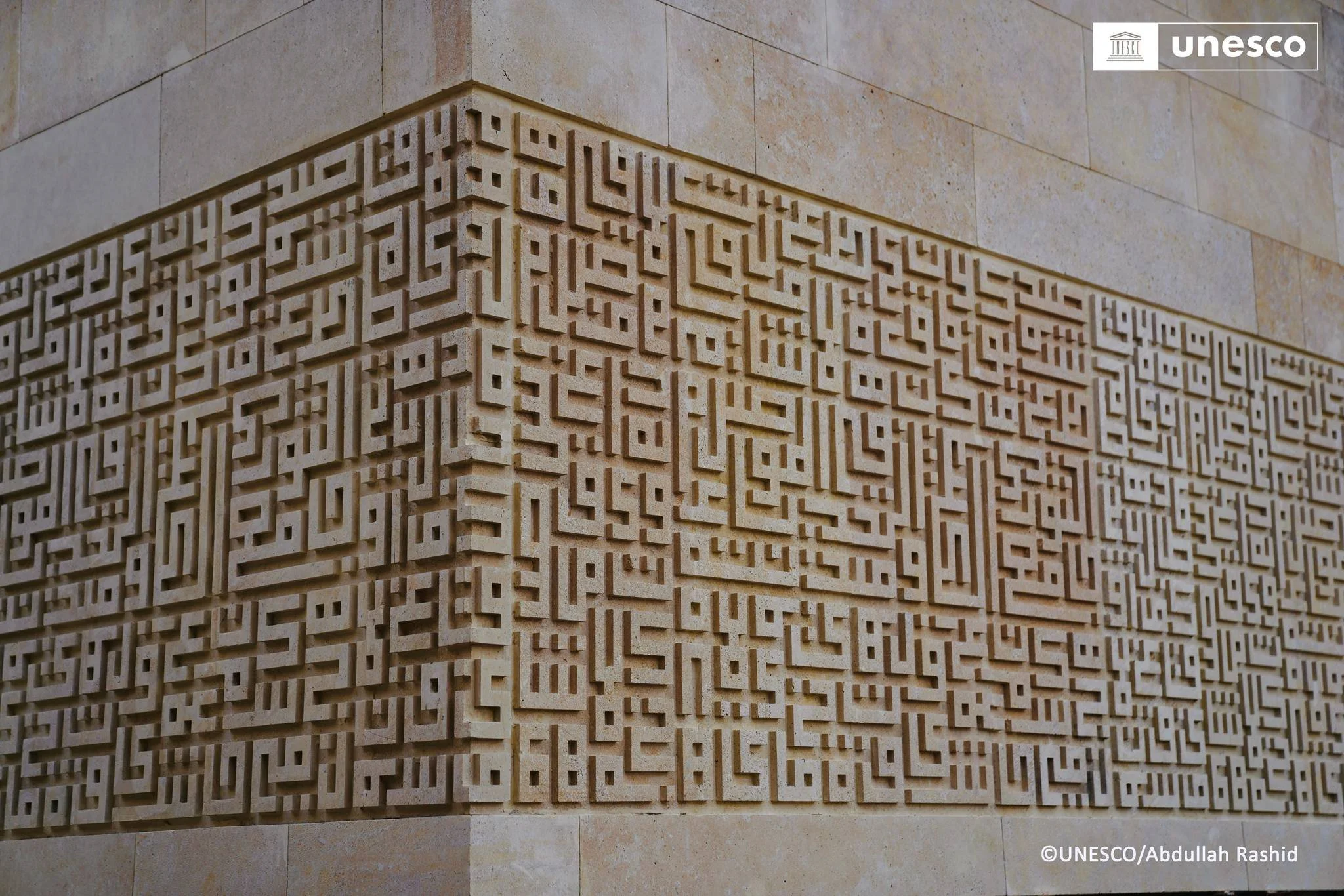
Origin: North Africa & Iran
Historical roots: 7th–10th centuries
Kufic is one of the oldest Arabic scripts, known for its bold, angular, architectural style. You’ll begin by creating a marbled-paint background on canvas using painter’s tape borders. Then you’ll practice classic Kufic lettering using pencils and rulers before transferring a short 2–3 word phrase onto the canvas and painting it in white acrylic.
Materials used
Canvas
Painter’s tape
Acrylic paints
Pencils & rulers
Woven Memories: Persian Rug Collage
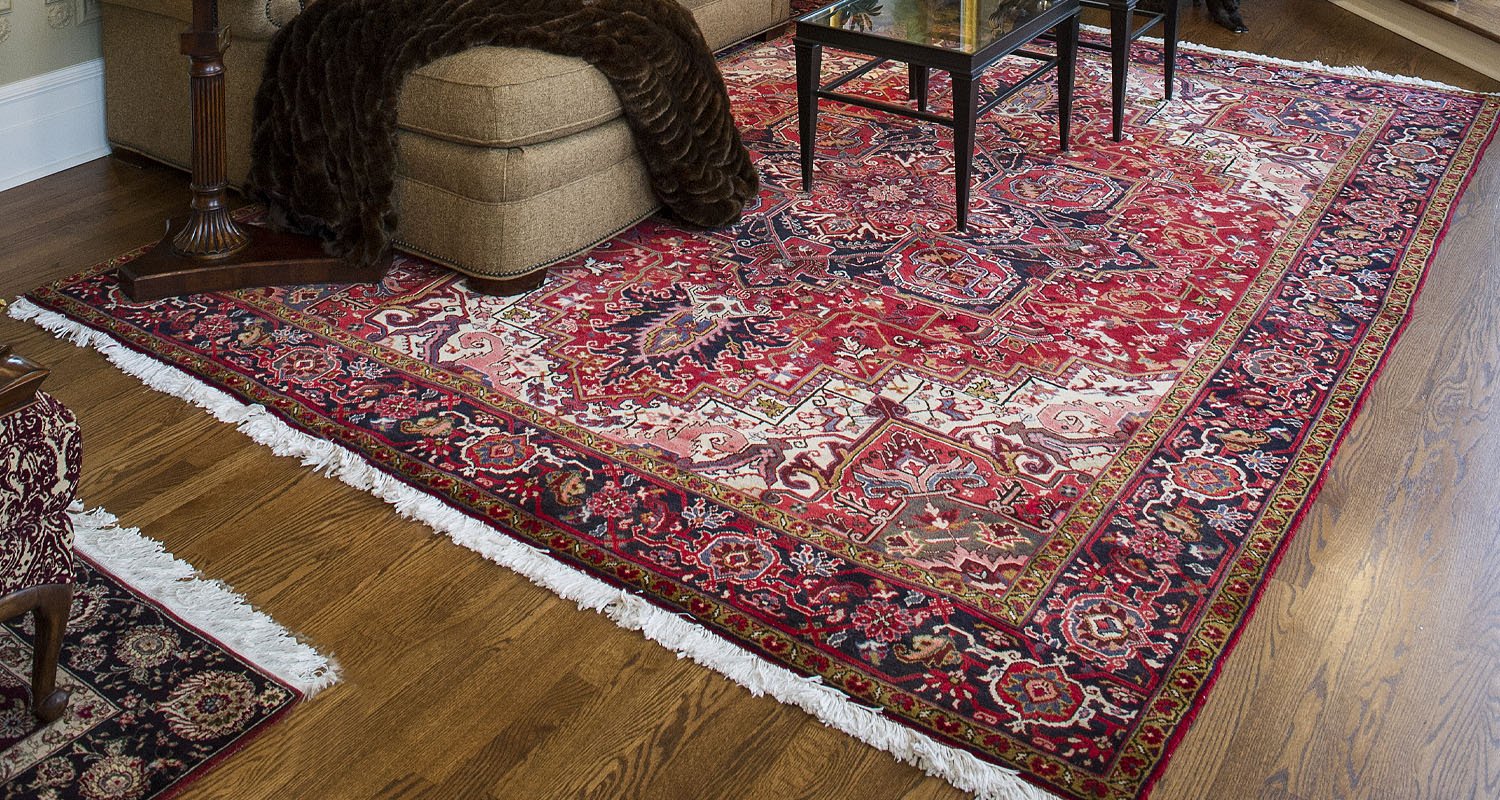
Origin: Iran (Persia)
Historical roots: 16th century onward
Persian rugs are known for their rich colors, layered patterns, and storytelling through design. In this collage workshop, you’ll take inspiration from traditional Persian rugs. We’ll ask you to choose a color theme in advance: maroon, sapphire, or emerald. During the class you will receive curated papers filled with Persian rug patterns, florals, quotes, and motifs in your chosen palette. Cut, layer, and glue your collage onto card stock, then finish it in a clean white 8.5”×11” frame.
Materials used
Pre-printed patterned papers
Scissors & glue sticks
Card stock
8.5”×11” frame
Ottoman Oasis: Painting Iznik Florals
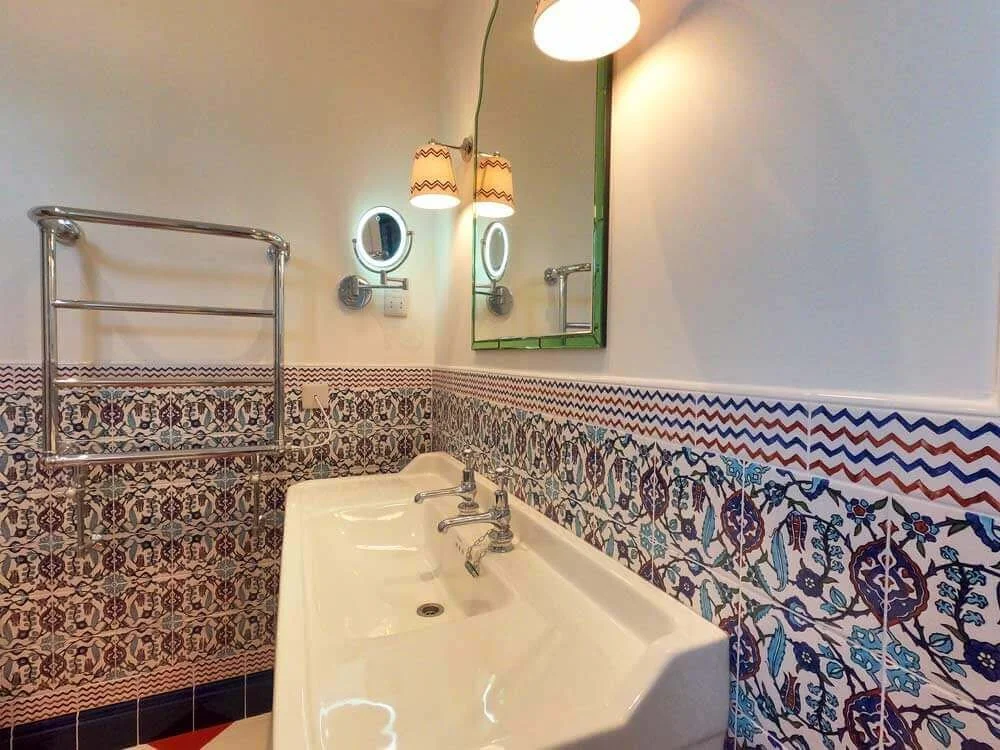
Origin: Ottoman Turkey
Historical roots: 15th–17th centuries
Iznik tiles are famous for their balanced floral designs and rich blues, reds, and greens. In this workshop you will take inspiration from traditional Ottoman Iznik tiles and create a masterpiece on an 8”×8” square canvas. During class, we will discuss the history of Iznik patterns and then sketch and paint a symmetrical floral composition inspired by Ottoman Iznik ceramics. The focus is on brushwork, color blending, and clean, balanced layouts.
Materials used
8”×8” square canvas
Acrylic paints
Brushes